Blog

Business Consulting

The ability to manage money competently is especially valuable quality in the conditions of financial crisis, when the purchasing power of the population is shrinking, inflation is rising, and currency exchange rates are completely unpredictable. Below are the common mistakes related to money affairs along with financial planning advice to help manage your own finances properly.

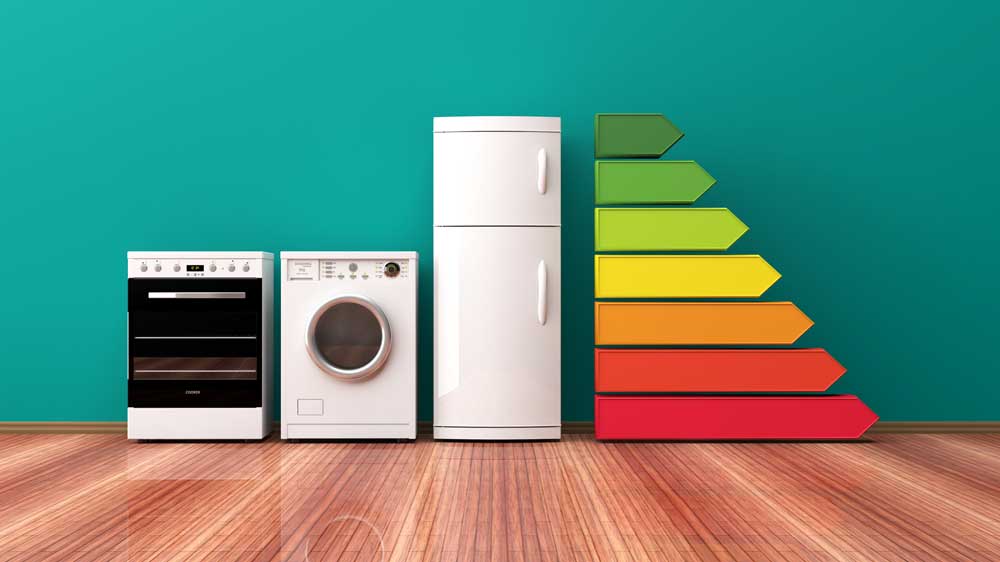
  • È una detrazione Irpef per l’acquisto di mobili e di grandi elettrodomestici, destinati ad arredare un immobile oggetto di ristrutturazione. La detrazione va calcolata su un importo massimo di 8.000 euro per l’anno 2023 e di 5.000 euro per il 2024, comprensivo delle eventuali spese di trasporto e montaggio, e deve essere ripartita in dieci quote annuali di pari importo. Per il 2021 il tetto di spesa su cui calcolare la detrazione era pari a 16.000 euro mentre per il 2022 era pari a 10.000 euro.

    Il pagamento va effettuato con bonifico o carta di debito o credito. Non è consentito, invece, pagare con assegni bancari, contanti o altri mezzi di pagamento.


  • È confermata la modifica della detrazione di cui al comma 1-ter dell'art. 16, TUIR, a favore dei "giovani" che stipulano contratti di locazione di immobili ad uso abitativo, c.d. "bonus affitti giovani".


  • A regolare il limite all’utilizzo dei contanti è l’articolo 49 del decreto legislativo 21 novembre 2007, n. 231 , cosiddetto decreto antiriciclaggio.

    Ed è proprio su questo passaggio normativo, già rivisto a dicembre 2021 dal Decreto Milleproroghe per posticipare la riduzione del tetto da rispettare, che la Legge di Bilancio è intervenuta nuovamente modificando l’importo da 1.000 a 5.000 euro per il 2023.


  • Con l'introduzione del nuovo art. 119-ter al DL n. 34/2020 è riconosciuta una nuova detrazione nella misura del 75% delle spese sostenute nel 2022 per la realizzazione di interventi direttamente finalizzati all'eliminazione di barriere architettoniche in edifici già esistenti. 


The budget is the most basic thing in financial planning. It is therefore especially important to be careful when compiling the budget. To start you have to draw up your own budget for the next month and only after it you may make a yearly budget.


As the basis takes your monthly income, subtract from it such regular expenses as the cost of housing, transportation, and then select 20-30% on savings or mortgage loan payment.

The rest can be spent on living: restaurants, entertainment, etc. If you are afraid of spending too much, limit yourself in weekly expenses by having a certain amount of ready cash.


"When people borrow, they think that they should return it as soon as possible," said Sofia Bera, a certified financial planner and founder of Gen Y Planning company. And at its repayment spend all that earn. But it's not quite rationally ".


If you don't have money on a rainy day, in case of an emergency (e.g. emergency of car repairs) you have to pay by credit card or get into new debts. Keep on account of at least $1000 in case of unexpected expenses. And gradually increase the "airbag" to an amount equal to your income for up to three-six months.


"Usually when people plan to invest, they only think about profit and they don't think that loss's possible", says Harold Evensky, the President of the financial management company Evensky & Katz. He said that sometimes people do not do basic mathematical calculations.

For example, forgetting that if in one year they lost 50%, and the following year they received 50% of the profits, they did not return to the starting point, and lost 25% savings. Therefore, think about the consequences. Get ready to any options. And of course, it would be wiser to invest in several different investment objects.